When Will the AI Bubble Burst? 5 Signals That Move Before the Market
Nobody can date the AI bubble's end. But five measurable signals move before share prices do. What central banks, filings and adoption data actually show in September 2026.
Nobody can date the AI bubble's end. But five measurable signals move before share prices do. What central banks, filings and adoption data actually show in September 2026.
Fed Chair Kevin Warsh used his Jackson Hole debut to bury forward guidance and warn on inflation. Markets repriced a September hike from a third to a coin-flip. Here is what changed and why it matters.
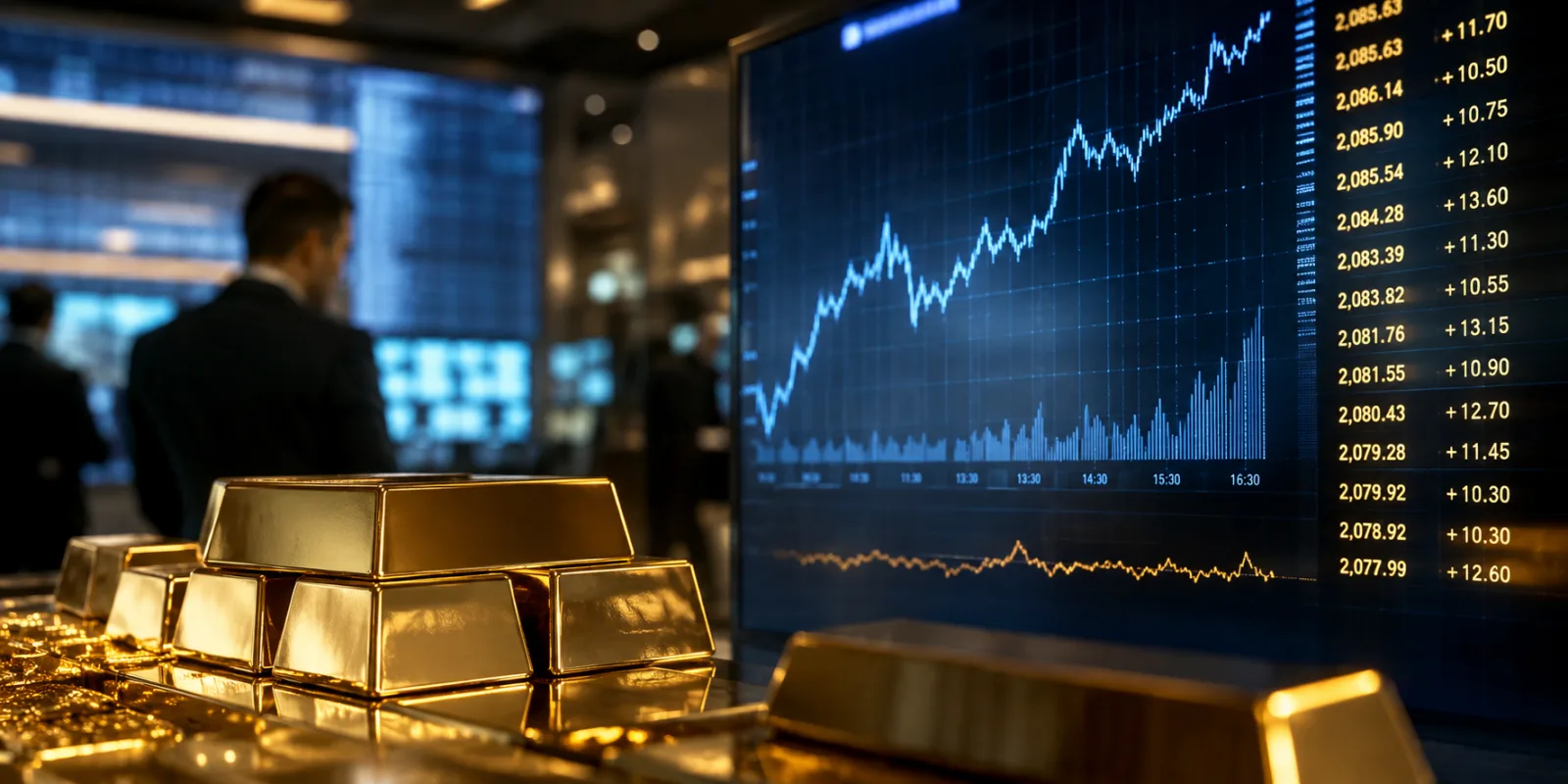
Gold slid to about $4,458 after Fed chair Kevin Warsh's hawkish Jackson Hole speech, yet central banks bought a record 289 tonnes in Q2. Here is what the split means for markets.
Investors pulled $5.87bn from global equity funds and $22.33bn from US funds in the week to 26 August 2026, rotating into short-duration bonds and gold as Fed Chair Kevin Warsh hinted at rate hikes. What the reversal means for allocators.
Kevin Warsh delivers his first Jackson Hole keynote as Fed Chair on Friday. With long-end Treasury yields near two-decade highs and Bitcoin slipping below $79,000, currency and crypto traders are braced for a single speech to reset the rate path.
Barclays, Citi, Deutsche Bank and Standard Chartered have plugged Ant International's FalconTST 2.0 time-series model into their FX systems. Here is what the technology does, why it matters, and where the claims deserve scrutiny.
Nvidia reports on 26 August into a seven-day share slide. Why its results have become a referendum on $700bn of AI capex and the market's concentration risk.
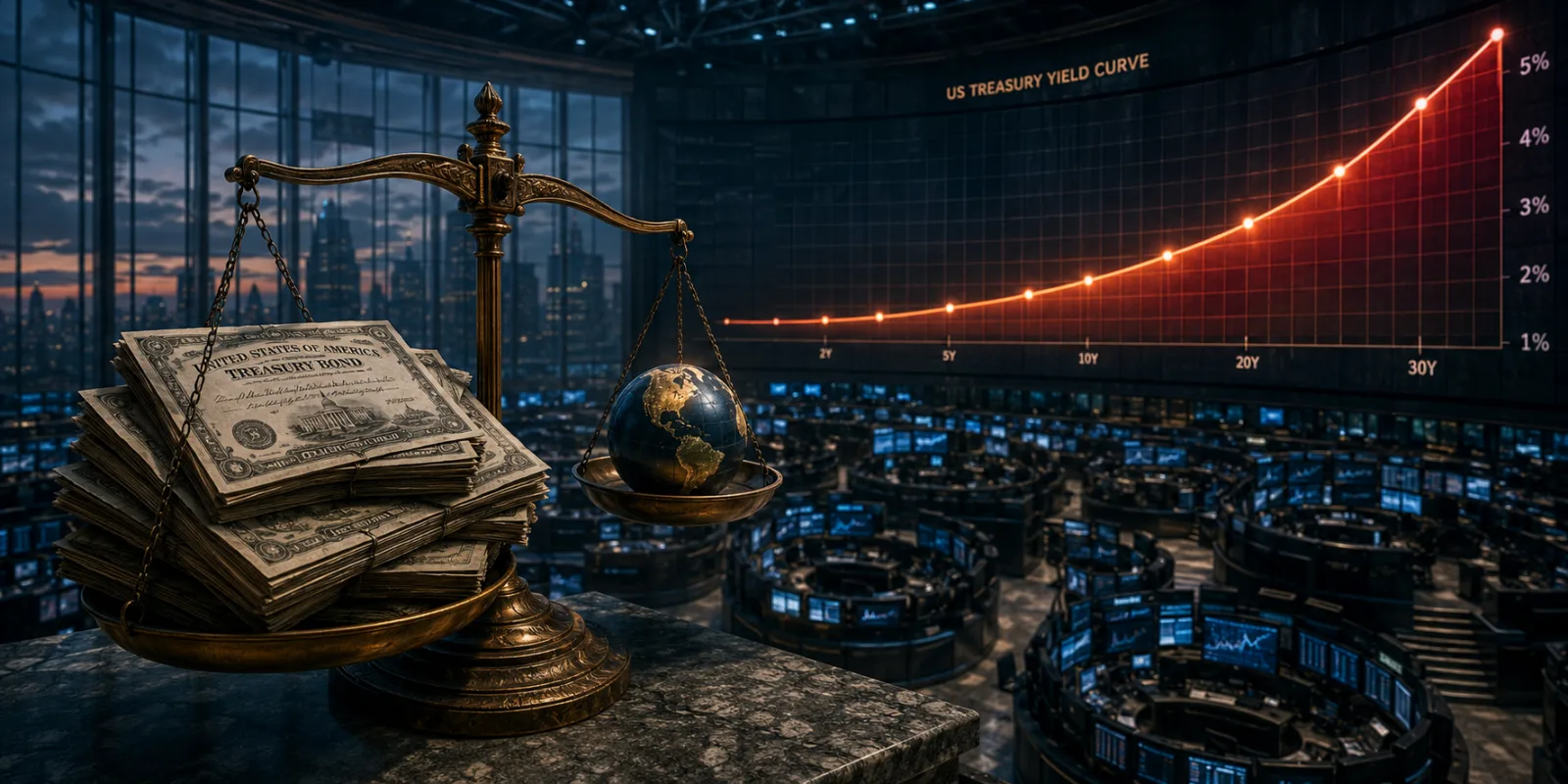
Long-dated government yields have surged worldwide, with the 30-year US Treasury at a 19-year high. Here is what is driving the global bond selloff and why it matters.
Wall Street is racing to add private equity to 401(k) plans while Vanguard's 14 August framework sets most savers' allocation at zero. An evidence-based look at the fees, liquidity and valuation risks reshaping the $13.8tn US retirement market.
The SEC's proposed Regulation Crypto Assets offers token issuers bespoke exemptions and a safe harbour to exit securities status, ending years of regulation by enforcement. What it means for markets, issuers and traders.
In July 2026 Jane Street posted its first losing month since 2016, a roughly $15bn hit from the AI-stock unwind and a stake in the collapsed fund Situational Awareness. Here is what it means for quantitative trading.
The People's Bank of China added eight banks to its e-CNY network on 17 August 2026, tripling authorised operators to 30 in a single year. What the digital yuan push means for cross-border payments and the dollar.
A new arXiv preprint reports a 27-billion-parameter finance-native agent outscoring GPT-5.6-Sol and Claude Opus 4.8 on seven financial benchmarks at roughly a fifth of the cost. What it means for research budgets, model risk and regulation.
Soft July inflation and a surprise drop in retail sales have all but killed the threat of a September Fed rate hike under new chair Kevin Warsh, resetting bond yields, the dollar and equities before Jackson Hole.
Cooler July inflation and a weak jobs report pushed Fed rate-hike odds lower, sending the S&P 500 to new records and gold back above $4,400 in the same week. Here is what it means for markets.
A record wave of mutual fund-to-ETF conversions and the SEC's approval of ETF share classes are redrawing the line between a $33tn mutual fund industry and a $15.7tn ETF market. Here is what is actually happening and why it matters.
The SEC cancelled its 14 August Regulation Crypto meeting at the last minute, citing an unforeseen scheduling issue. The proposed token rulebook is delayed, not withdrawn, and the six-year wait for written crypto rules continues.
In July 2026 the crowded AI-momentum trade reversed and systematic hedge funds suffered their sharpest drawdown in a year. Here is what happened, why the models moved together, and what it means for markets.
PayPal has pushed its dollar-backed stablecoin into 27 more African markets just as the IMF warned in Cape Town about the currency-substitution risks of exactly this kind of expansion. Here is what it means for payments, monetary policy and the wider financial system.
RBI Governor Sanjay Malhotra told bankers in Mumbai that the winners of the AI era will be those who understand what they deploy, not those who move fastest. Here is why his warning about model concentration matters for global markets.